Oracle, AZ · Pinal County
Temperature-Controlled Drying in Oracle, AZThermal Drying For Water Damage & Climate-Controlled Drying Systems
Temperature-Controlled Drying in Oracle includes thermal drying for water damage, rapid structural drying services, and humidity control for restoration managed by local drying equipment pros.
Answered 24/7
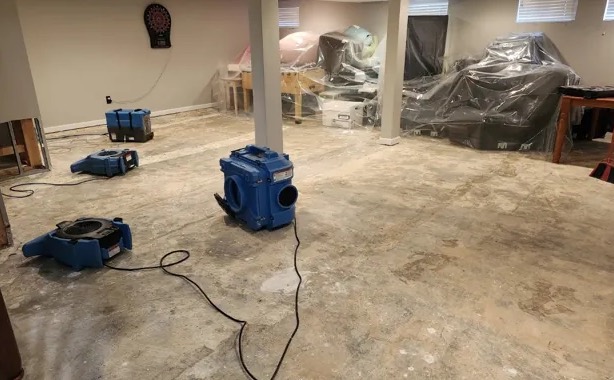
Expert Temperature-Controlled Drying Services in Oracle, Arizona
In Oracle, materials dry at different rates. Local pros map moisture content so each material gets the drying it needs.
In Oracle and nearby Mammoth and Dudleyville, local pros take baseline moisture readings, then run air movers and dehumidifiers and log moisture levels as they drop.
Temperature-Controlled Drying Methods Available in Oracle
Thermal Drying for Water Damage
Controlled heat combats water damage in hard-to-dry areas like enclosed cavities. Expert calibration of drying equipment avoids harm to sensitive contents.
Climate-Controlled Drying Systems
The pros set up systems that control temperature, humidity and airflow together, adjusting them as moisture readings change.
Drying Equipment Deployment
Pros set up drying machines with safe power, condensate drainage and placement based on the moisture map.
Rapid Structural Drying Services
Rapid drying protocols focus on core materials providing a building's strength. The pros implement these methods for wood, concrete, and steel.
Water Damage Drying Logs
Key data like psychrometric readings and material moisture content are meticulously recorded. These logs show a clear trend toward dryness, confirming the job's success.
Symptoms Needing Temperature-Controlled Drying in Oracle
Equipment Running With No Result
Fans or dehumidifiers that run for days without drying the area mean the moisture is deeper than household equipment can reach.
Cold, Damp Feeling in a Room
A room feels noticeably colder and damper than the rest of the house. This sensation is often due to evaporative cooling from wet materials.
Soft Drywall or Sagging Ceiling
Drywall feels spongy to the touch or a ceiling sags downward. This softness means the material is saturated and structurally compromised.
Damp Odors Persisting After Water
A musty smell lingers even after visible water is gone, indicating hidden moisture. That odor often signals mold or trapped dampness.
How Temperature-Controlled Drying Works in Oracle
Step 1: Initial Moisture Survey and Readings
Pros take baseline moisture readings across the property to plan the drying.
Step 2: Precision Air Mover Placement
Air movers are placed at set angles and distances to target specific wet materials.
Step 3: Deployment of Drying Systems
Dehumidifiers are sized to the moisture load and the size of the space.
Step 4: Ongoing Monitoring and Adjustment
Equipment is moved and adjusted as materials dry, so drying keeps moving.
What Leads to Needing Temperature-Controlled Drying in Oracle
Inadequate Initial Water Extraction
Water left behind after a leak or flood moves into subfloors and walls, where it is harder to dry.
Appliance Malfunction or Overflow
A failed washing machine hose, water heater or dishwasher can release many gallons onto the floor.
Foundation Cracks and Seepage
Hydrostatic pressure forces groundwater through cracks in the foundation wall. This seepage creates a constant dampness that challenges standard drying technology.
HVAC System Condensation Issues
A clogged condensate drain line causes an overflow inside the air handler. This water can soak insulation and ductwork, creating a hidden moisture issue.
Whole-Property Temperature-Controlled Drying in Oracle
Residential Temperature-Controlled Drying
At home, moisture hides in attics, crawl spaces and behind finished walls. Pros map it before setting up equipment so the whole house dries.
Commercial Temperature-Controlled Drying
In offices, schools and clinics, pros use quieter drying equipment that can run in occupied spaces, and document when drying is complete.
Professional Temperature-Controlled Drying vs. Do-It-Yourself in Oracle
After the water is removed, wipe hard surfaces like tile or sealed wood with a disinfectant, and shut off the water source if it is still leaking.
Cost Considerations for Temperature-Controlled Drying in Oracle
In Oracle, the cost depends on how much drying equipment is used and how long it runs, plus the moisture readings taken along the way.
Equipment Needs
The number and type of air movers, dehumidifiers and heaters used affect the cost.
Structural Material Types
Porous materials like concrete or dense wood require more aggressive drying strategies and extended monitoring, influencing the project timeline and cost.
Extent of Water Damage
The larger the area that needs drying, the more equipment and labor the job takes.
Does Insurance Cover Temperature-Controlled Drying?
Coverage is not automatic and depends on your policy. The pros provide humidity readings and equipment logs for your claim file. Your insurer decides what is covered.
Advantages of Hiring Drying Equipment Pros in Oracle for Temperature-Controlled Drying
IICRC-Standard Drying Methods
Drying follows industry guidelines and is checked with meters, which keeps framing and floors from staying wet.
Comprehensive Drying Logs
Detailed, chronological logs of moisture readings and equipment settings provide a transparent record of the entire temperature-controlled drying process.
Strategic Equipment Deployment
Air movers and dehumidifiers are placed according to a plan for even airflow and low humidity.
Emergency Temperature-Controlled Drying Response for Oracle, AZ
For thermal drying and moisture mapping in Oracle, call (623) 400-8633 for help from the pros, day or night, and ask how they will track moisture until the materials are dry.
Call Now (623) 400-8633Temperature-Controlled Drying in Oracle and Other Areas Served
Other places served are listed below, each with its own page.
- Temperature-Controlled Drying in Mammoth
- Temperature-Controlled Drying in Dudleyville
- Temperature-Controlled Drying in Hayden
- Temperature-Controlled Drying in Winkelman
- Temperature-Controlled Drying in Kearny
- Temperature-Controlled Drying in Florence
- Temperature-Controlled Drying in Eloy
- Temperature-Controlled Drying in Coolidge
- Emergency Damage Restoration in 85623
- Storm Damage Restoration in 85623
- Water Damage Restoration in 85623
- Water Extraction Service in 85623
- Water Leak Detection in 85623
- Water Removal Service in 85623
Common Temperature-Controlled Drying Questions Answered
How does humidity control aid in restoration?
Drier air pulls water out of wet materials faster, so lowering humidity speeds up drying.
How long does the temperature-controlled drying process take?
It depends on the damage, the materials and the conditions. Pros monitor readings and stop when moisture goals are met.
What are water damage drying logs used for?
Drying logs are detailed records of moisture readings, equipment settings, and progress; they provide documentation for the restoration process and are often required for insurance claims.
When is climate-controlled drying necessary versus regular drying?
Climate-controlled drying is necessary for severe losses, sensitive materials, or when precise environmental control is needed to prevent damage, unlike simple air drying for minor spills.
Is temperature-controlled drying safe for electronics or artwork?
Yes, when the pros use low heat and careful humidity control, it can be safe for drying sensitive materials and belongings.