Peoria, AZ · Maricopa County
Emergency Water Extraction in Peoria, AZStanding Water Pump Out & Hardwood Floor Water Extraction
Emergency Water Extraction in Peoria for homeowners covers emergency flood water removal, standing water pump out and sewage backup water extraction.
Answered 24/7
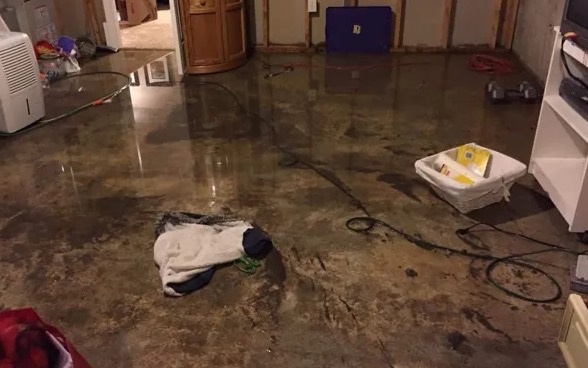
Professional Emergency Water Extraction in Peoria, AZ
Most indoor floods in Peoria start with a supply line, a water heater, an appliance hose or a drain backup. Each one puts water where it should not be, often a lot of it.
Across Maricopa County, including Peoria, Sun City, Youngtown and Glendale, water extraction, drying and cleanup are available 24/7 for homes and businesses, including nights, weekends and holidays.
Emergency Water Removal Services in Peoria
Standing Water Pump Out
When water stands more than an inch or two deep, the pros use pumps to move it outside before switching to vacuums for the rest.
Hardwood Floor Water Extraction
Special floor mats pull water up through the gaps in hardwood boards. Starting early gives the floor the most time to dry before it cups for good.
Emergency Flood Water Removal
Floodwater from outside carries soil and bacteria. The pros pump it out, remove soaked materials and clean the floors before drying starts.
Flooded Garage Water Extraction
A water heater or washer in the garage can flood it fast. The pros remove the water, move stored items to dry ground and dry the walls.
Sewage Backup Water Extraction
After a sewer backup, the pros remove the water and waste, bag wet materials for disposal and clean every surface before drying starts.
Signs You Need Professional Water Extraction
Standing Water on the Floor
Any water deeper than a damp spot needs extraction. It spreads under walls and cabinets and soaks the subfloor.
Carpet That Squishes Underfoot
Carpet that squishes or feels wet means the pad is soaked. A shop vacuum will not reach the water held below.
Musty Smell After a Leak
A musty smell a day or two after a leak means moisture is still in the materials and drying is not complete.
Wet Drywall at the Base of Walls
Soft, stained or bubbling drywall near the floor shows water has wicked up inside the wall.
How Emergency Water Extraction Works in Peoria
Step 1: Stopping the Water
The pros find the source and shut it off or isolate it, then make sure power to wet areas is safe.
Step 2: Standing Water Removal
Pumps remove deep water first, then extractors pull water from carpet, pad and hard floors.
Step 3: Moisture Mapping
Meters and thermal cameras show how far the water went inside walls, under floors and into cabinets.
Step 4: Water Mitigation and Drying
Air movers and dehumidifiers are set in each wet room and readings are taken daily until the materials are dry.
Common Reasons for Emergency Water Removal
Roof and Window Leaks
Damaged roofing and worn window seals let rain into ceilings and walls, where it collects before showing up inside.
Burst or Broken Supply Lines
A failed pipe or supply hose can release a large amount of water in a short time, often in a wall or under a sink.
Dishwasher and Ice Maker Lines
Small supply lines behind appliances can crack or loosen and leak for days before anyone notices.
Washing Machine Hose Bursts
Rubber washer hoses wear out and split, often putting water on the floor while the machine runs.
Emergency Water Extraction for Houses, Offices and Shops
Residential Emergency Water Extraction
After storm flooding, homes get floodwater removed, mud cleaned off floors and soaked materials taken out before drying starts.
Commercial Emergency Water Extraction
Business owners in Peoria get moisture records and photos for their insurer, plus extraction in back rooms and storage areas where water hides.
DIY Risks vs. Professional Emergency Water Extraction
A shop vacuum removes surface water but leaves most of the water in carpet pad and subfloor. That hidden water is what leads to odors, warped floors and mold.
What Affects Water Extraction Cost
Water found quickly costs less to remove and dry than water that sat for days and soaked into walls, subfloor and cabinets.
Amount of Water
A few inches across one room is a smaller job than water spread through several rooms or a whole floor.
Type of Water
Clean water, gray water from appliances and sewage each need different handling, and sewage costs the most.
Time of the Call
Night and weekend work can cost more than a job scheduled during regular hours.
Does Insurance Cover Emergency Water Extraction?
Flood damage from outside water usually needs a separate flood policy. Water from a broken pipe inside the home is more often covered by a standard policy.
Why Hire Water Removal Experts for Emergency Water Extraction
Homes and Businesses
The same process works for a single room, a whole house, an office or a store.
Help Any Hour
Leaks do not wait for business hours. Call (623) 400-8633 at any time of the day or night.
Records for Your Insurer
Photos, moisture readings and drying logs help you file and support an insurance claim.
24/7 Emergency Water Extraction in Peoria
Do not wait for morning when water is spreading through the house. Call (623) 400-8633 any time for emergency water extraction and drying.
Call Now (623) 400-8633Emergency Water Extraction in Peoria and Nearby Communities
Emergency water extraction is available in Peoria and nearby towns such as Sun City, Youngtown and Glendale, day and night.
Common Questions About Flood Cleanup
How fast should water be removed after a leak?
As soon as possible. Water spreads into pad, drywall and subfloor within hours, and mold can start in 24 to 48 hours if materials stay wet.
Does emergency water extraction include drying?
Yes. Extraction removes the water, and air movers and dehumidifiers then dry the floors and walls until readings are normal.
What should I do while I wait for help?
Shut off the water, turn off power to wet rooms if it is safe, move valuables to a dry area and take photos of the damage for your insurer.
Why does a room still smell musty after it looks dry?
Moisture can stay in pad, subfloor and wall cavities after surfaces dry. A musty smell means drying is not complete.
What causes most indoor flooding?
Burst pipes, water heater failures, washer hoses, toilet overflows, drain backups and storm water cause most indoor floods.