Peoria, AZ · Maricopa County
Library Damage Restoration in Peoria, AZLibrary Humidity Control Services & Library Water Damage Restoration
Library Damage Restoration in Peoria covers library storm damage repair, library mold remediation and emergency library water extraction.
Answered 24/7
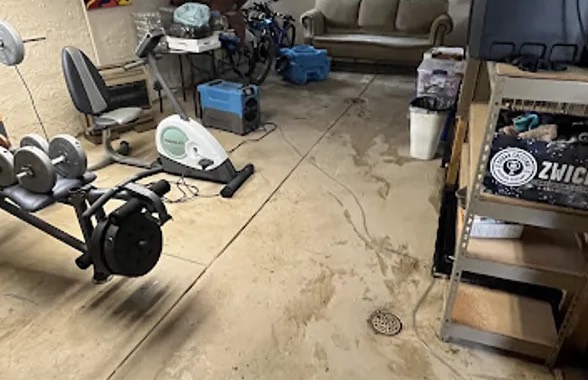
Specialized Library Damage Restoration in Peoria, Maricopa County
In Peoria, water can quickly warp books, grow mold and make ink bleed. Libraries need methods suited to their materials and climate control needs.
Emergency library restoration services in Peoria and communities like Sun City, Youngtown and Glendale respond to any incident threatening collections, from burst pipes to storm impacts. Early work helps minimize loss.
Full-Service Library Restoration in Peoria
Library Humidity Control Services
Humidity control protects Peoria library collections. Water damage specialists provide consultations and solutions for environmental control. The focus is on creating a stable atmosphere that discourages mold.
Library Water Damage Restoration
A leaking roof or burst pipe can quickly flood a library space. Specialized drying equipment targets paper materials and wooden shelves. Early work by the pros minimizes permanent damage to library assets.
Library Storm Damage Repair
Wind-driven rain or falling debris can breach library exteriors. The experts assess and document all storm-related damage. Quick action helps mitigate long-term damage to library assets.
Emergency Library Water Extraction
When water invades a library, every minute counts for saving books and archives. Local pros deploy industrial-grade extractors to remove bulk water.
Library Mold Remediation
Mold in libraries can damage collections and affect indoor air. The pros use HEPA filtration and antimicrobial treatments. Proper drying addresses the underlying moisture source.
When to Call for Library Damage Restoration in Peoria
Condensation on Windows and Glass
Excess humidity inside the library leads to condensation, promoting mold and damaging book bindings and archival materials.
Soggy or Damp Carpeting
Wet carpet in entryways or study areas is a sign of flooding or seepage that can damage subfloors.
Visible Water Stains on Shelves
Discoloration or warping on wooden shelves often means moisture is getting in.
Visible Mold on Books or Walls
Fuzzy spots on book covers or drywall are mold, usually from damp air or a past leak.
How Library Damage Restoration Works in Peoria
Step 1: Damage Assessment and Containment
The process begins with a thorough assessment of water damage in libraries. The specialists establish containment zones to prevent cross-contamination of unaffected areas.
Step 2: Water Removal and Drying
Powerful extraction equipment removes water from carpets, floors, and affected materials. Industrial-grade dehumidifiers then work to pull moisture from the air and building materials.
Step 3: Library Mold Remediation and Cleaning
If mold is present, experts contain the area, safely remove contaminated materials, and clean all surfaces with antimicrobial solutions to prevent regrowth.
Step 4: Content Restoration and Return
The focus shifts to library archive recovery. Restored books, documents, and other contents are cleaned, treated for odors, and systematically returned to the space.
What Causes Library Damage in Peoria
Fire Suppression System Activation
Sprinkler discharge, while saving the structure, soaks books and documents, creating a major water damage and soot cleanup project.
Improper Ventilation in Storage Areas
Stale, humid air in closed stacks or storage rooms lets mold grow on books and shelving.
Historical Document Storage Conditions
Inadequate climate control in special collections rooms can slowly damage fragile materials through humidity fluctuations and mold growth.
Severe Weather and Flooding
Heavy rains and flash floods can overwhelm drainage, leading to ground-level flooding and extensive storm damage restoration for libraries.
Library Damage Restoration for Homes and Businesses in Peoria
Water Damage Help for Homes
When a residential library suffers damage, the pros assess the water damage in libraries first. You provide the photos and readings to your insurer for coverage decisions.
Library Damage Restoration for Owners and Managers
For a commercial library incident, the specialists coordinate a response for sewage cleanup in libraries or fire damage. Library archive recovery protocols are followed for cataloged items. Facility managers should confirm all procedures with their insurer.
Handling Library Damage: DIY or Call Library Water Damage Specialists?
Opening windows and running fans can reduce general dampness. If humidity stays high or you smell mildew, call the specialists for library humidity control before the collection is affected.
Understanding Library Damage Restoration Costs in Peoria
Accessibility to the damaged library areas and the need for after-hours work to minimize public disruption can affect labor scheduling. Projects in historical buildings with preservation rules may have unique requirements.
Drying Duration
Books and documents dry slowly to prevent warping and mold. Extended humidity control with professional dehumidifiers runs for days, affecting resource use.
Emergency Timing
Response outside standard hours to mitigate ongoing damage may involve premium scheduling. An initial extraction can reduce long-term restoration costs.
Architectural Features
High ceilings, marble floors, or custom woodwork in older libraries can complicate access and drying. Preservation considerations may require adapted methods.
Does Insurance Cover Library Damage Restoration?
The cause of the damage is the primary factor for insurance. Storm damage or fire is often covered, while flooding from external sources typically requires a separate flood insurance policy.
Advantages of Hiring Local Specialists in Peoria
Coordinated Drying Strategy
A plan is developed for the library's unique layout and contents. Equipment is placed to create efficient airflow across affected zones.
Detailed Documentation
Thorough notes, photos, and moisture maps are created for your records. This documentation provides a clear account of the damage and restoration steps.
Odor Elimination Techniques
Fire or sewage damage leaves persistent odors. Advanced air scrubbing and fogging target odor molecules embedded in porous materials.
24/7 Library Damage Restoration Available in Peoria
Storm damage can compromise a library's roof and windows, letting water inside. Secondary mold growth starts rapidly. For storm damage restoration for libraries, call (623) 400-8633 any time, day or night.
Call Now (623) 400-8633Library Damage Restoration Available Throughout Maricopa County
The experts in Peoria address humidity and contamination threats to books and documents. Their library damage restoration services extend across Peoria and surrounding places such as Sun City, Youngtown and Glendale.
Frequently Asked Questions About Library Damage Restoration
What are library humidity control services?
Using industrial dehumidifiers and air movers to reduce airborne moisture levels after a leak. This stabilizes the environment to protect paper and prevent ongoing mold risk.
What is library water damage restoration?
It is the process of extracting water, drying structures and contents, and cleaning affected areas in a library after a leak or flood. It prevents mold and saves books and documents.
How does library mold remediation work?
It involves identifying the mold source, containing the area, removing contaminated materials safely, cleaning surfaces with antimicrobial agents, and drying the space thoroughly.
Can fire damage restoration for libraries remove smoke odor?
Yes, through air scrubbing, thermal fogging, and ozone treatment where appropriate. These methods target odor particles embedded in porous books, shelves, and fabrics.
How long does library sewage cleanup and drying take?
Cleanup may take several days, followed by a drying phase of 3-5 days or more. The timeline depends on the extent of contamination and the building's construction.