Beaver Valley, AZ · Gila County
Industrial Dehumidification in Beaver Valley, AZCommercial Water Damage Cleanup & Mold Remediation Services
Industrial Dehumidification in Beaver Valley handles disaster recovery drying, industrial humidity reduction systems and emergency water removal.
Answered 24/7
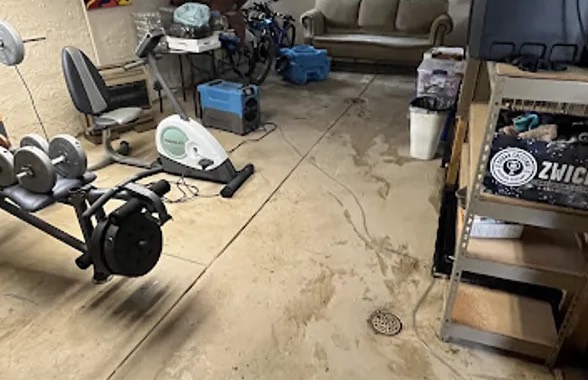
Industrial Drying Services for Beaver Valley Properties
After a flood or major leak, large buildings need drying at scale to reopen. Every day of downtime costs a business money and keeps materials wet.
Industrial dehumidification needs in Beaver Valley and surrounding communities like Geronimo Estates, Star Valley and Washington Park are handled by experienced water damage restoration pros. They manage everything from humidity control systems to flood cleanup on large sites. Help is available 24/7 whenever moisture problems come up.
Industrial Dehumidification Solutions for Beaver Valley
Commercial Water Damage Cleanup
Leaks or floods in commercial properties need high-capacity dehumidifiers. Humidity control in expansive areas targets moisture in concrete slabs and behind walls.
Mold Remediation Services
Extensive mold requires professional remediation to ensure occupant safety. Industrial dehumidification is a core part of stopping the mold lifecycle.
Warehouse Moisture Control
Managing warehouse air quality requires continuous moisture removal. Systems run to prevent rust on metal shelving and spoilage of goods.
Industrial Humidity Reduction Systems
Installing a humidity reduction system provides long-term protection. Local water damage restoration pros in Beaver Valley can recommend and set up tailored equipment.
Disaster Recovery Drying
After a disaster in Beaver Valley, heavy-duty drying equipment brings humidity down so repairs can start safely.
Warning Signs You Need Industrial Dehumidification
Visible Mold
Black, green or white spots on walls or contents mean humidity has been high for too long.
Stained Ceilings or Walls
Yellow or brown water stains show where past leaks happened and where moisture may still be.
Peeling Adhesives or Labels
Boxes losing their shape and labels peeling off mean the storage area is holding too much moisture.
Damp Insulation or Drywall
Wet materials behind walls or above ceilings stay wet for weeks without forced drying and can rot.
How Industrial Dehumidification Works in Beaver Valley
Step 1: Site Assessment and Inspection
An inspection finds the water sources, the wet materials and how much cleanup is needed.
Step 2: Containment and Water Removal
Containment is set up if needed, then industrial extractors remove the bulk water.
Step 3: Deploy Drying Equipment
Desiccant and refrigerant dehumidifiers and air movers are placed to dry the building.
Step 4: Continuous Monitoring and Adjustment
Equipment runs around the clock, and humidity is checked so the setup can be adjusted as areas dry.
Causes of Industrial Humidity Problems in Beaver Valley
Groundwater Intrusion and Saturation
Poor drainage around the building can let water seep up through the floor.
HVAC System Condensation Issues
Cooling systems that are poorly maintained or oversized can produce a lot of condensation and raise humidity.
Fire Suppression System Activation
A sprinkler discharge can leave a large amount of water to extract and dry.
Process Water or Chemical Spills
Industrial processes that use liquids carry a constant risk of accidental spills and releases.
Industrial Dehumidification for Residential and Commercial Clients in Beaver Valley
Residential Industrial Dehumidification
In homes, water from a burst pipe spreads inside walls and under floors. The experts find the wet areas with meters and dry them to save the structure and finishes.
Commercial Industrial Dehumidification
Manufacturing plants and warehouses need large-scale drying after a major water incident. Drying brings the space back to the humidity levels production requires.
When to Hire Local Pros for Industrial Dehumidification in Beaver Valley
A property owner can document the first damage with photos and written notes for the insurance provider before cleanup begins. Large-scale extraction and structural drying, though, take industrial pumps, dehumidifiers and trained pros.
Understanding Industrial Dehumidification Costs in Beaver Valley
The cost of industrial dehumidification in Beaver Valley depends mainly on how much water got in and the square footage that needs drying.
Access Complexity
Hard-to-reach areas in a warehouse or plant take longer to set up equipment in.
Drying Time Required
How long the dehumidifiers must run to reach dry readings is a main cost component.
Emergency Service Timing
After-hours or 24/7 calls may be billed at a different rate than a scheduled visit.
Does Insurance Cover Industrial Dehumidification?
The pros create a thorough, factual record of the affected property and the required remediation steps, which the property owner can provide to their insurer.
Why Choose Local Pros for Industrial Dehumidification in Beaver Valley
Disaster Recovery Focus
Drying, cleaning and records are coordinated so the business can reopen sooner.
Industrial-Grade Equipment
High-capacity dehumidifiers and air movers are sized for warehouses and other large spaces.
IICRC-Standard Drying Methods
The experts follow industry drying standards so moisture is fully removed from the structure.
24/7 Emergency Industrial Dehumidification in Beaver Valley
For industrial dehumidification after a flood or major leak in Beaver Valley, call (623) 400-8633. The experts are available around the clock for water removal and commercial drying.
Call Now (623) 400-8633Local Industrial Dehumidification Areas: Beaver Valley and Beyond
Other places served are listed below, each with its own page.
- Industrial Dehumidification in Geronimo Estates
- Industrial Dehumidification in Star Valley
- Industrial Dehumidification in Washington Park
- Industrial Dehumidification in Gisela
- Industrial Dehumidification in Rye
- Industrial Dehumidification in Oxbow Estates
- Industrial Dehumidification in Tonto Basin
- Industrial Dehumidification in Rio Verde
- Emergency Damage Restoration in 85541
- Storm Damage Restoration in 85541
- Water Damage Restoration in 85541
- Water Extraction Service in 85541
- Water Leak Detection in 85541
- Water Removal Service in 85541
Industrial Dehumidification FAQs for Beaver Valley Property Owners
Can humidity control prevent future mold problems?
Keeping warehouse humidity low with dehumidifiers protects stored goods and the building from moisture damage.
Why is water extraction so important?
Removing water quickly keeps it from soaking deeper, shortens drying and lowers the risk of mold and warping.
How does commercial dehumidification differ from residential?
The focus extends beyond drying to include minimizing operational downtime and protecting sensitive inventory or machinery.
What is industrial dehumidification?
It is removing excess moisture from the air and materials in commercial or industrial buildings after water damage, using large dehumidifiers.
What happens during the property restoration process?
Property restoration involves drying structural materials, cleaning affected surfaces and contents, and sometimes repairing or replacing damaged components after water intrusion.