Rye, AZ · Gila County
Hydrostatic Pressure Water Removal in Rye, AZGroundwater Intrusion Mitigation & Slab Seepage Water Removal
Hydrostatic Pressure Water Removal in Rye includes structural drying after intrusion, slab seepage water removal and groundwater intrusion mitigation.
Answered 24/7
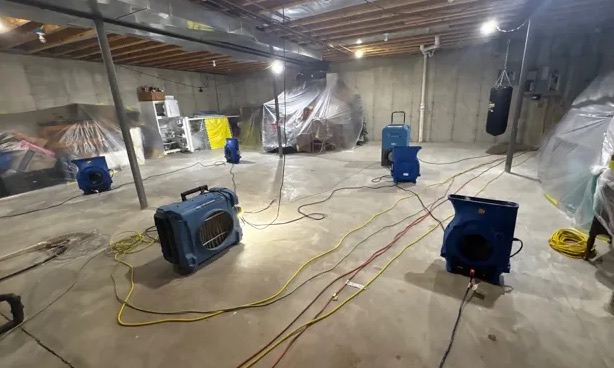
Hydrostatic Pressure Water Removal Solutions for Rye Homes
In Rye areas where the water table rises in wet seasons, groundwater presses on foundation walls and can seep inside.
Detailed Hydrostatic Pressure Water Removal Methods
Groundwater Intrusion Mitigation
Dealing with groundwater means removing what got in and drying the space. The pros also point out grading or drainage problems outside that a contractor can fix.
Slab Seepage Water Removal
When water seeps up through a slab in Rye, flooring may need to be lifted so the concrete can dry. Pros explain what a foundation specialist should look at.
Foundation Crack Water Infiltration
Local foundation water removal pros first extract the water, then document the damage for your insurance claim before repair planning.
Structural Drying After Intrusion
Wet framing and subfloor need to be dried, not just the floor surface. Local foundation water removal pros set up a drying plan and check readings until the materials are dry.
Wet Subfloor Removal
The pros assess the damage, remove the compromised materials, and ensure the underlying joists are dry and sound before reconstruction.
Signs of Hydrostatic Pressure Water Damage in Rye
Water Seeping From Foundation Walls
Water seeping at the base of foundation walls means groundwater is being pushed in by pressure from the soil.
High Indoor Humidity Levels
High humidity in lower levels that does not go away can mean water is seeping through the foundation.
Warped or Buckling Flooring
Flooring that warps or buckles near walls can mean water is coming up from below and the subfloor is wet.
Pooling Water in Crawl Space
Standing water in a crawl space is a clear sign water is getting in and needs to be removed.
How Hydrostatic Pressure Water Removal Works in Rye
Step 1: Initial Pressure Evaluation
The pros look at where the water came in and how wet the soil-side walls and floor are.
Step 2: Sub-Slab Water Removal
Using specialized extraction tools, pros remove water trapped beneath concrete slabs and flooring.
Step 3: Targeted Structural Drying
Drying equipment is aimed at framing, joists and sill plates so the structure dries all the way through.
Step 4: Documentation for Insurance
Moisture readings, photos and notes on the work are put together for your insurance claim.
Sources Requiring Hydrostatic Pressure Water Removal
Poor Exterior Drainage Systems
Clogged gutters, downspouts and poor grading send water toward the foundation, where it builds pressure in the soil.
Heavy or Prolonged Rainfall
Long periods of rain soak the soil, and the water presses against the foundation until it finds a way in.
Failed or Missing Waterproofing
Worn exterior coatings or membranes let groundwater reach the foundation wall directly.
Plumbing Leaks Under the Slab
A broken water line under the slab keeps feeding water up through the floor.
Hydrostatic Pressure Water Removal for Foundation Protection
Residential Hydrostatic Pressure Water Removal
In homes, water through the foundation can reach framing and wiring in the lower level. The pros remove the water and dry the structure, and a foundation contractor handles any cracks.
Commercial Hydrostatic Pressure Water Removal
Warehouses and plants on slab floors can take on water from below. Industrial equipment removes it and dries the large floor area so work can resume.
Why Hydrostatic Pressure Water Removal Requires Local Pros in Rye
Take photos and video of the damage from a safe spot for your insurance claim. Stay out of flooded areas with power still on, and let the pros handle the moisture mapping.
Understanding Hydrostatic Pressure Water Removal Expenses
The cost of hydrostatic pressure water removal in Rye depends on how much of the lower level flooded and how much water came in.
Required Drying Time
The number of days the structure takes to dry is a large part of the cost.
Affected Area Size
Larger flooded areas or large wet subfloors need more equipment and more days of drying.
Structural Complexity
Tight crawl spaces and complex foundations make water removal and drying slower.
Does Insurance Cover Hydrostatic Pressure Water Removal?
Whether insurance covers foundation water removal depends on how your policy treats groundwater. The pros document the flooded area and the damage, and your insurer makes the final call.
Why Choose Local Pros for Hydrostatic Pressure Water Removal in Rye
Methodical Cleanup Process
Each step, from extraction to final readings, is done in order so nothing is left wet.
Focused Mitigation Planning
You get notes on where water came in, so you can plan drainage work with a contractor.
Controlled Demolition Protocols
Only subfloor and materials that cannot be dried are removed, which keeps the repair smaller.
24/7 Emergency Hydrostatic Pressure Water Removal in Rye
If water is coming through foundation cracks or up through the slab, call (623) 400-8633 for 24/7 help in Rye. Removing it early keeps the damage smaller.
Call Now (623) 400-8633Hydrostatic Pressure Water Removal in Rye and Other Areas Served
The places below are also served, and each one has its own page.
- Hydrostatic Pressure Water Removal in Gisela
- Hydrostatic Pressure Water Removal in Star Valley
- Hydrostatic Pressure Water Removal in Beaver Valley
- Hydrostatic Pressure Water Removal in Punkin Center
- Hydrostatic Pressure Water Removal in Geronimo Estates
- Hydrostatic Pressure Water Removal in Florence
- Hydrostatic Pressure Water Removal in Chuichu
- Hydrostatic Pressure Water Removal in Dewey-Humboldt
Common Hydrostatic Pressure Water Removal Questions Answered
What does groundwater intrusion mitigation involve?
Removing the water, drying the structure and then, often, drainage or waterproofing work outside by a contractor.
Does sealing a foundation crack stop water from coming in?
Sealing a crack, done by a foundation contractor, can help. Long-term control often also needs drainage or waterproofing outside to lower the water pressure.
Why is subfloor drying services important after flooding?
Drying the subfloor keeps it from rotting and growing mold, which protects the floor system above it.
How does foundation water removal work?
Standing water is extracted, the structure is dried with dehumidifiers and air movers, and the place where water came in is noted.
What equipment is used for groundwater extraction?
Groundwater extraction uses submersible pumps for deep water, wet-dry vacuums for shallow flooding, and specialized extractors for under-slab water removal.