Peoria, AZ · Maricopa County
Hospital Damage Restoration in Peoria, AZHospital Mechanical Room Water Cleanup & Hospital Biohazard Cleanup
In Peoria, Hospital Damage Restoration includes hospital sewage backup cleanup, hospital storm damage restoration and hospital water damage cleanup.
Answered 24/7
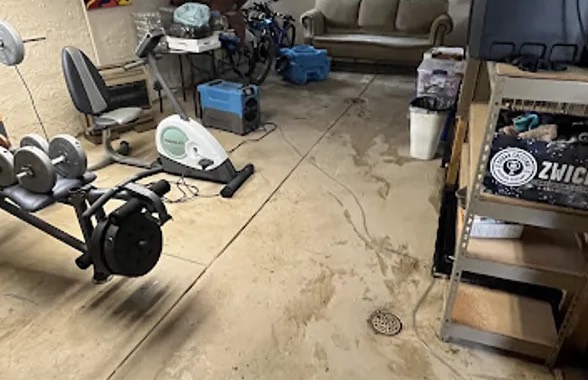
Local Hospital Damage Restoration Solutions for Peoria
A hospital facing damage in Peoria presents unique challenges due to its complex systems and high occupancy. Issues like sewage backups or storm damage can affect multiple departments and specialized equipment, requiring a tailored response to restore full functionality quickly and safely.
Hospital property restoration in Peoria, addresses complex systems and strict hygiene requirements. Local hospital water removal pros clean up water, sewage and mold so facilities can fully reopen. They also work in nearby places like Sun City, Youngtown and Glendale. Their process emphasizes containment and drying.
Hospital Damage Restoration Offerings for Hospitals in Peoria, AZ
Hospital Mechanical Room Water Cleanup
Water in hospital utility spaces needs extraction and dehumidification. The pros in Peoria work around critical systems, record the damage and dry floors and walls.
Hospital Biohazard Cleanup
Hospital biohazard cleanup addresses spills of blood, bodily fluids, or regulated medical waste. Specialized protective equipment is used.
Hospital Mold Remediation
Mold in healthcare settings requires careful remediation to protect vulnerable populations. The source of moisture must be corrected to prevent recurrence.
Hospital Sewage Backup Cleanup
Hospital sewage backup cleanup involves removing contaminated water resulting from plumbing system failures. Disinfection and decontamination protocols are followed to address biological hazards for patient and staff safety.
Hospital Fire Damage Restoration
Hospital fire damage restoration cleans soot, smoke residues, and water used for firefighting. Specialized cleaning techniques are used for sensitive medical equipment and electronics. The experts manage these multi-phase projects.
Warning Signs You Need Hospital Damage Restoration in Peoria
Ceiling Stains and Dripping Water
Brown water stains on ceilings or active dripping mean a leak from above that should be stopped and dried.
Charred Smell After an Electrical Incident
An acrid odor following an electrical short or fire is a serious sign. Hospital fire damage restoration can address soot and structural concerns.
Compromised Medical Storage Areas
Water intrusion near medication or sterile supply storage creates an immediate contamination risk. The pros can secure the area.
Discolored or Slow-Draining Water
Brown water from faucets or slow drains can indicate a major plumbing or sewer line issue. The specialists should be consulted.
How Hospital Damage Restoration Works in Peoria
Step 1: Damage Assessment and Containment
The experts first assess the extent of water, fire, or mold damage. They establish containment zones to prevent cross-contamination to other areas of the facility.
Step 2: Hazard Mitigation and Removal
Standing water or sewage is removed, or mold spores contained. For hospital biohazard cleanup, specialized protocols for decontamination are followed.
Step 3: Deep Cleaning and Odor Neutralization
All affected surfaces undergo thorough cleaning. For fire damage, specialized techniques like thermal fogging neutralize persistent smoke odors trapped in the structure.
Step 4: Verification of Dryness and Air Quality
Before concluding, pros verify all materials are dry using moisture meters. Air testing may confirm the air is clean.
Leading Causes of Hospital Water and Sewage Damage
Roof Leaks and Compromised Sealants
Aging roofing materials or failed seals around vents and skylights allow water to seep into the facility, leading to ceiling damage and mold.
HVAC System Condensation Issues
Faulty drain pans or uninsulated cooling lines in air handlers create constant moisture, which is a primary cause for hospital mold remediation.
Fire Suppression System Activation
Sprinkler discharges and firefighting leave behind water and soot damage that need cleanup.
Sewer Line Backups and Blockages
Sewer overflows or line blockages can push contaminated water into the building.
Hospital Damage Restoration for Peoria Medical Centers
Hospital Damage Restoration for Homeowners
Sewage backups in a house create severe contamination risks and foul odors that permeate the structure. All affected porous materials likely require disposal. The specialists safely remove hazardous waste and sanitize the area to health standards.
Hospital Damage Restoration for Owners and Facility Managers
Restaurant kitchens face unique risks from grease trap overflows and broken dishwasher lines, which require specialized cleaning protocols. The pros are trained for contaminated spaces.
Professional Hospital Damage Restoration or DIY in Peoria?
You can document the damage for your insurance claim by taking clear photographs and videos of all affected areas and items. Make a list of damaged property. The pros will also provide detailed documentation, including moisture readings, to support your claim.
Factors in Hospital Damage Restoration Pricing for Peoria Hospitals
In Peoria, the investment in hospital damage restoration is influenced by the extent of structural damage, the complexity of decontamination, and the required validation testing for air quality and surfaces.
Project Duration
The time required to complete restoration while maintaining or restoring partial hospital function influences pricing.
Emergency Response
Mobilizing resources for 24/7 help to contain damage quickly can affect the initial service cost.
Scope of Damage
The overall square footage impacted and the number of hospital departments affected directly influence the project cost.
Does Insurance Cover Hospital Damage Restoration?
Whether hospital water damage cleanup or fire damage restoration is covered is determined by your insurance policy. The pros in Peoria create thorough documentation to support your claim. Always confirm specific coverage details directly with your insurance company for hospital property restoration.
Why Choose Local Hospital Water Removal Pros for Hospital Damage Restoration in Peoria
IICRC-Standard Protocols
Restoration follows industry standards for drying, cleaning and infection control in medical buildings.
Medical-Grade Decontamination
Specialized cleaning agents and techniques are applied for surfaces and areas requiring the highest hygiene standards.
Comprehensive Damage Assessment
A detailed evaluation identifies all affected materials and structural components, guiding a complete restoration plan.
24/7 Hospital Damage Restoration Response in Peoria
Don't let water damage or a biohazard situation escalate in your hospital. Call (623) 400-8633 anytime for 24/7 hospital water damage cleanup and restoration. The pros in Peoria provide emergency service.
Call Now (623) 400-8633Hospital Damage Restoration Areas: Peoria, Maricopa County
The pros provide hospital damage restoration for hospitals and medical centers throughout Peoria in Maricopa County and nearby communities including Sun City, Youngtown and Glendale.
Common Hospital Damage Restoration Questions Answered
What is involved in hospital water damage cleanup?
Water is extracted, walls and floors are dried, affected areas are sanitized and dryness is confirmed with meters.
How is hospital sewage backup cleanup handled?
It involves the safe removal of contaminated water and waste, followed by intensive cleaning and disinfection of all affected surfaces using hospital-grade protocols.
What causes mold in hospitals?
Persistent high humidity, chronic leaks, or previous water events that were not dried thoroughly can lead to mold growth behind walls or under floors.
How quickly should hospital water damage be addressed?
Starting within 24 hours limits damage, controls cost and prevents mold in wall cavities.
What are the steps for hospital fire damage restoration?
Steps include soot and odor removal from all surfaces, cleaning of HVAC systems, and repair of structural elements affected by heat, smoke, or water used for firefighting.